7 August 2026 · 10 min read
Chiang Mai for a long stay: costs, Nimman vs Old City and burning season
A blunt guide to living and house sitting in Chiang Mai, covering the reality of the burning season, local costs, and why we avoid the Old City.
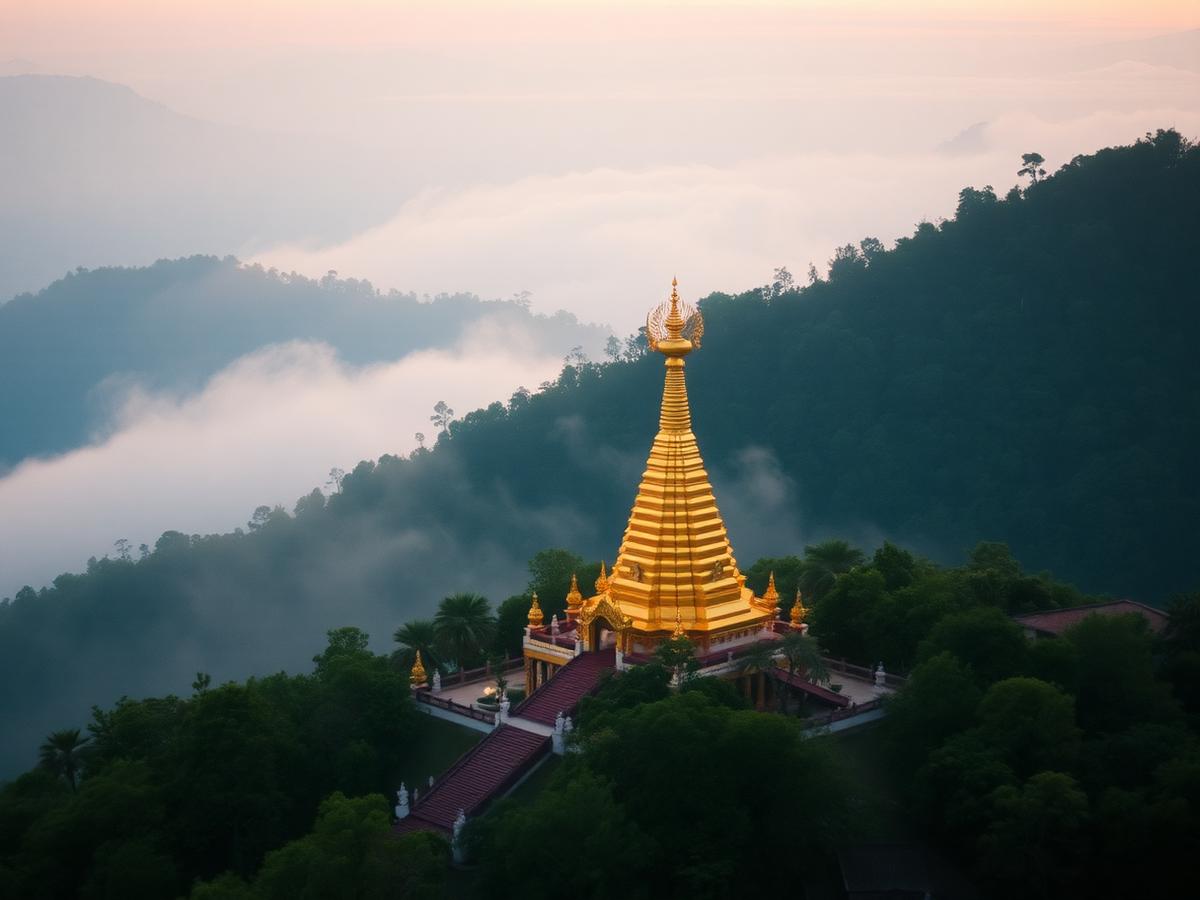
Planning the trip? Read our full Chiang Mai destination guide.
We arrived in Chiang Mai with the same expectations as everyone else: cheap noodles, golden temples, and a massive community of people working from their laptops. We stayed for several weeks, moving between a modern apartment in the northwest and a house sit slightly further out. It is a city that is very easy to live in, which is why so many people never leave, but it is not the tropical paradise some travel posters suggest. It is dusty, the traffic is a nightmare, and for three months of the year, the air is physically painful to breathe.
We do not do resorts or luxury villas. We spent our time in Chiang Mai doing exactly what we do everywhere else: grocery shopping at local markets, finding quiet spots to work, and looking after people's pets. This guide is based on that experience. It is for people who want to know how the city actually functions, what it costs to stay for more than a weekend, and which parts of the tourist trail are worth the sweat.
If you are looking for a sugar-coated version of Northern Thailand, this is not it. If you want to know which neighbourhoods are actually liveable and why you should probably avoid visiting in March, read on.
Is Chiang Mai worth visiting?
Yes, but manage your expectations. Chiang Mai is often sold as a spiritual retreat, but it is a sprawling, busy city of over a million people. It is worth visiting if you like food, coffee culture, and having a base that feels functional. It is less worth it if you are looking for pristine nature within walking distance of your hotel. You have to work a bit harder to find the quiet spots.
The appeal lies in the contrast. You can be in a high-tech co-working space one minute and a 14th-century temple the next. The food is arguably the best in Thailand, specifically the Northern Khao Soy, and the cost of living remains low enough that you can live very well without trying too hard. However, it lacks the grit of Bangkok and the beaches of the south. It is a comfortable middle ground.
Our take: Go for the food and the ease of life, but do not expect a quiet mountain village.
How many days do you need in Chiang Mai?
If you are just visiting as a tourist, four to five days is enough to see the main temples, visit a market, and head up the mountain.
- Day 1: Explore the Old City temples (Wat Chedi Luang and Wat Phra Singh) and the Sunday Walking Street.
- Day 2: Doi Suthep in the morning and a cooking class in the afternoon.
- Day 3: A day trip to an ethical elephant sanctuary (research this carefully).
- Day 4: Exploration of the Nimman area and the artistic village of Baan Kang Wat.
- Day 5: A trip out to the "Sticky Waterfalls" (Bua Tong) or Samoeng Loop.
If you are a digital nomad or looking to house sit, you need at least a month. The city has a rhythm that takes a week or two to settle into. It takes time to find your favourite coffee shop and figure out which night market has the best 50 THB (£1.10) Pad Thai.
Where should you stay in Chiang Mai?
The city is divided into several distinct areas. Where you stay will completely change your experience of the city.
- The Old City: This is the square surrounded by the moat. It is dense, touristy, and filled with hostels and guesthouses. It is great for a first-time visit because you can walk to many temples, but it feels less like a real neighbourhood and more like a tourist hub.
- Nimman (Nimmanhaemin): This is the "cool" part of town. It is where you will find the digital nomads, high-end coffee shops, and the Maya Shopping Mall. It is polished, expensive by Thai standards, and right under the flight path of the airport. It is very convenient but lacks traditional character.
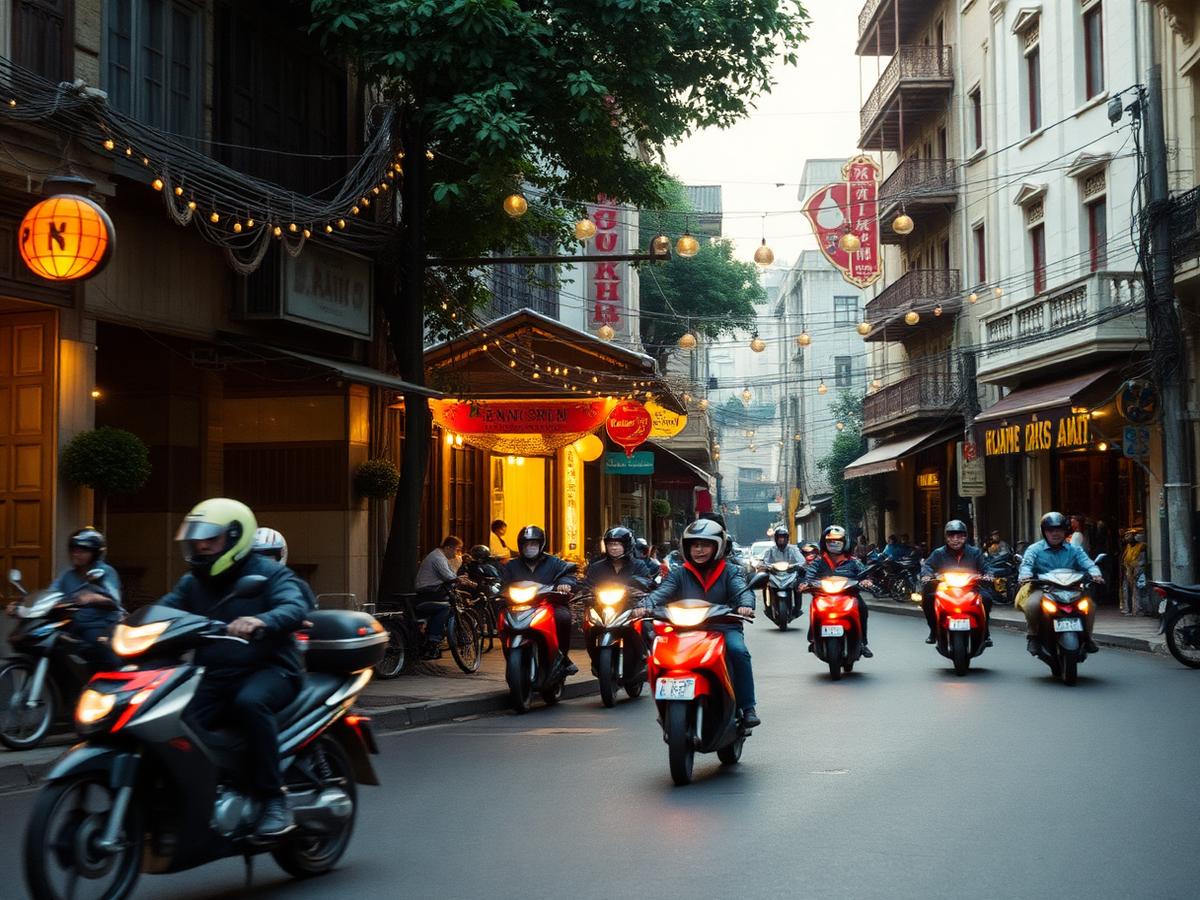
- Santitham: This is where we spent a lot of our time. It sits between the Old City and Nimman. It is much more local, the food is cheaper, and there are fewer tourists. It is loud and chaotic, but it feels authentic.
- Chang Moi / Riverside: East of the Old City toward the Ping River. This area is becoming quite trendy with boutique shops and nice cafes near the water. It is quieter than Nimman but still walkable to the Night Bazaar.
- Hang Dong: This is further south and where many larger houses are located. If you are doing a house sit, you might end up here. You will need a scooter or a car, as it is too far to walk or rely on short red truck trips.
How much does Chiang Mai cost per day?
Chiang Mai is significantly cheaper than Bangkok or the islands. Your biggest expense will be accommodation if you are booking short-term.
- Accommodation: A basic but clean private room is about 800-1,200 THB (£18-£27) per night. A monthly rental in a modern condo starts around 12,000-15,000 THB (£270-£340) plus utilities.
- Food: A meal at a street market costs 50-70 THB (£1.10-£1.60). A meal in a westernised cafe in Nimman will be 200-350 THB (£4.50-£8).
- Coffee: A decent latte is about 60-90 THB (£1.30-£2).
- Transport: A ride in a Bolt or Grab car across town is usually 80-150 THB (£1.80-£3.40). A red truck (Songthaew) is 30 THB (£0.70) per person for short hops.
- Beer: A large Chang at a 7-Eleven is about 60 THB (£1.30), but 100-140 THB (£2.20-£3.10) in a bar.
Our take: We averaged about £30 per day for the two of us (excluding accommodation/house sitting), which covered plenty of eating out and the occasional Grab ride.
When is the best time to visit Chiang Mai?
The best time is between November and early February. The weather is dry and actually quite cool in the mornings. You might even need a light jumper. This is peak season, so expect crowds.
The Burning Season (February to April): Do not visit during this time. We cannot stress this enough. Farmers in the region and neighbouring countries burn crops, and because of the valley's geography, the smoke traps itself over the city. The AQI (Air Quality Index) frequently hits 200-400, which is hazardous. Everything is grey, the mountains disappear, and you will have a constant cough. Most long-term expats leave the city entirely during March.
The rainy season (June to October) is actually quite pleasant. It usually rains in short, heavy bursts in the afternoon, leaving the rest of the day clear and the landscape incredibly green. Prices are lower and the dust is washed away.
How do you get around Chiang Mai?
You have a few main options, and none of them involve the non-existent public bus system.
- Songthaews: These are the red trucks you see everywhere. You wave them down, tell the driver where you are going, and if it is on their route, they will nod. It is 30 THB for most trips within the city. It is a bit of a puzzle at first, but it is the cheapest way to move.
- Grab and Bolt: These are the ride-hailing apps. Bolt is usually cheaper in Chiang Mai. It is efficient and avoids the need to haggle.
- Tuk-tuks: Mostly for tourists. They are more expensive than Grabs (usually starting at 100-150 THB) and they are loud and hot. Use them once for the experience, then stick to the apps.
- Scooter Rental: Very popular, but dangerous if you are not experienced. Police frequently set up checkpoints to fine foreigners without an International Driving Permit (IDP) specifically for motorcycles. Expect a 500-1,000 THB fine. Always wear a helmet; the traffic is unpredictable.
Common scams and what to avoid
Chiang Mai is generally very safe, and "scams" are more like "minor annoyances" here compared to Bangkok.
- The "Temple is Closed" scam: A driver might tell you a temple is closed for a holiday and offer to take you somewhere else (usually a gem shop or a tailor where they get a commission). The temples are almost never closed.
- Unethical Elephant Sanctuaries: Many places claim to be "sanctuaries" or "rescue" centres but still allow riding or use bullhooks behind the scenes. Look for places that are "observation only." If they allow you to bathe the elephants, it is generally considered stressful for the animals and not a true sanctuary.
- Overpriced Tours: Many hotels sell the same "Golden Triangle" or "White Temple" tours for double the price of the local agencies. Shop around or just book your own transport.
- The "International Driving Permit" fine: While not a scam, it is a targeted revenue stream. If you do not have an IDP, you will be stopped. Carry your license and the fine receipt; sometimes, that receipt serves as a "pass" for the rest of the day.
What we would do again and what we would skip
Do again:
- Wat Phra That Doi Suthep: Yes, it is crowded, but the views of the city (if it is not burning season) and the atmosphere of the temple are genuine. Go at sunrise to avoid the heat and the bulk of the tour buses.
- The Monk's Trail: A hike up the mountain to Wat Pha Lat. It is a forest temple that feels far removed from the city noise. It is much better than the main temple at the top.
- Khao Soy Mae Sai: Possibly the best bowl of noodles in the city. It is busy, frantic, and shuts early, but it is worth the queue.
- North Gate Jazz Co-op: An institution. It gets packed, people spill onto the street, and the music is consistently excellent.
Skip:
- The Night Bazaar: It is largely filled with mass-produced souvenirs you can find anywhere in Thailand. It feels a bit dated and lacks the energy of the weekend markets.
- The Sunday Walking Street (if you hate crowds): It is a beautiful market, but by 7:00 PM, you are shuffled along in a human traffic jam. If you want to actually see the crafts, go at 4:30 PM when they are still setting up.
- Cat Cafes: There are many, but they often feel a bit depressing. If you miss animals, find a house sit instead.
Long stays and house sitting
We stayed in Chiang Mai for several weeks, and the only way we could afford to keep our budget so low while staying in comfortable neighbourhoods was through house sitting. We spent time looking after a very grumpy cat in a beautiful apartment, which gave us a kitchen and a proper desk. It allowed us to experience the city as residents rather than tourists moving every three days. If you want to do the same, we have put together a free house sitting guide that explains how to get started.
Chiang Mai is a city that rewards patience. It is not about the "must-see" sights; it is about the routine of the morning market, the hidden coffee shops down narrow alleys (sois), and the ease of getting things done. Just make sure you check the air quality before you book your flight.
Where to go next
Guides we think pair well with this post.
Want to travel this way too?
Our free house and pet sitting guide shows exactly how we do it.