7 August 2026 · 8 min read
Chiang Rai: day trip or worth staying? Temples, costs and what we'd do again
Skip the day trip from Chiang Mai. Our guide to Chiang Rai covers the White Temple, local costs, and why this slower, cheaper city deserves its own time.
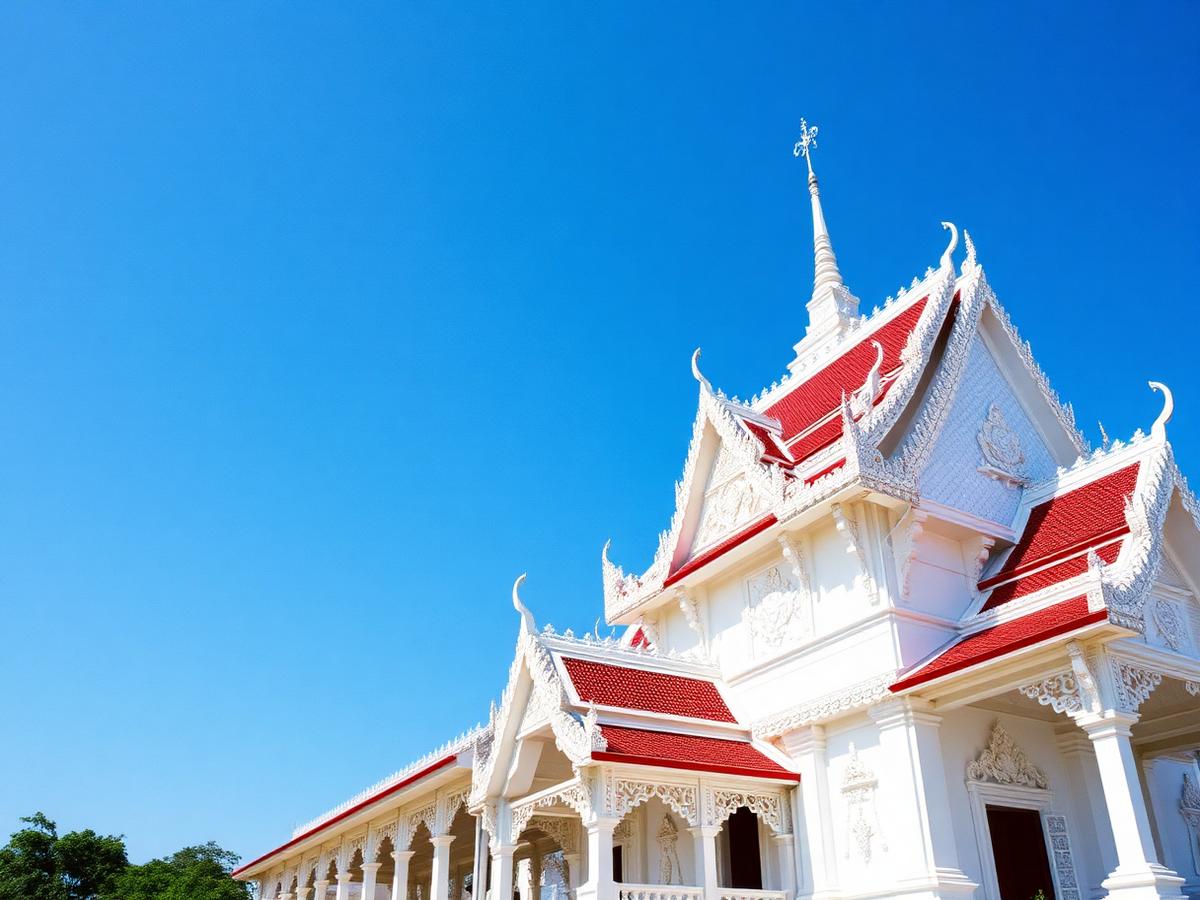
Planning the trip? Read our full Chiang Rai destination guide.
Most people treat Chiang Rai like a tick-box exercise. They wake up at 5:00 am in Chiang Mai, sit on a cramped minibus for three hours, look at a white building, and drive back in the dark. It is a miserable way to see a city that actually has a lot more personality than its busier neighbour.
We arrived in Chiang Rai expecting a quieter version of the north, and that is exactly what we found. It lacks the digital nomad polish of Chiang Mai, but it makes up for it by being significantly cheaper and far less exhausting to navigate. There are fewer smoothie bowls and more local markets where you are the only foreigner in sight.
We stayed for two weeks, living in a standard apartment near the clock tower. It is a city that moves slowly. If you are looking for a frantic nightlife scene, you will be disappointed. If you want a base to explore the mountains without the constant swarm of mopeds, this is where you should be.
Is Chiang Rai worth visiting?
If you enjoy the aesthetic side of Thailand, yes. The temples here are not the ancient, crumbling stone structures you see in Ayutthaya. They are modern, eccentric, and occasionally bizarre art projects. Beyond the temples, Chiang Rai serves as a much better gateway to the Golden Triangle and the mountain villages of Mae Salong than the larger cities.
Our take: It is worth it only if you stay at least two nights. The "Big Three" sites are spread out, and rushing them in a single day trip is a waste of money.
How many days do you need in Chiang Rai?
Three days is the sweet spot for most travellers. This gives you one day for the famous temples, one day to explore the city centre and night markets, and one day to head out into the hills or towards the border.
If you are like us and prefer to travel slowly, you could easily spend a week here. The pace of life is conducive to getting work done, and the coffee culture is surprisingly decent. However, if you are strictly sightseeing, anything more than four days might feel like you are stretching it thin.
Is Chiang Rai cheaper than Chiang Mai?
Yes, noticeably so. While Chiang Mai has seen prices creep up due to its popularity with expats, Chiang Rai remains firmly budget-friendly. You will find that your money goes about 20% further here, particularly when it comes to accommodation and incidental costs like laundry or motorbike rentals.
- A basic meal at the night bazaar: 50 – 80 THB (£1.10 – £1.80)
- A large Chang beer at a local bar: 90 – 110 THB (£2.00 – £2.40)
- Daily motorbike rental: 200 – 250 THB (£4.40 – £5.50)
- A litre of petrol: 38 THB (£0.85)
- Monthly gym pass: 800 – 1,000 THB (£18.00 – £22.00)
Where should you stay in Chiang Rai?
Chiang Rai is small enough that you do not need to worry too much about specific neighbourhoods, but where you land will dictate how much you walk.
- City Centre (Near the Clock Tower): This is the most convenient area. You are within walking distance of the bus station, the night bazaar, and plenty of cheap places to eat. It is noisy, but it is the heart of the action.
- Jet Yod Road: A bit more relaxed with a few "backpacker" bars and guesthouses. It is central but slightly tucked away from the main traffic.
- Riverside (Kok River): Further out and requires your own transport. This is where you find the larger hotels and some more "scenic" spots, but you will feel isolated without a scooter.
- Near the Rajabhat University: This is north of the city. It is very local, very cheap, and full of students. Good for long stays if you want to avoid tourists entirely.
How do you get around Chiang Rai?
Public transport within the city is limited. You will not find a metro system here.
- Grab: This is the easiest way to get around if you do not want to drive. It is reliable and avoids the need to haggle with tuk-tuk drivers. A ride across town usually costs 60 – 100 THB (£1.30 – £2.20).
- Motorbike Rental: The most common way to see the temples. The roads are generally in good condition and much less terrifying than Bangkok or Chiang Mai. Just ensure you have an International Driving Permit; the police do set up checkpoints.
- Blue Songthaews: These are shared taxi trucks. They have set routes but are confusing for newcomers. We mostly stuck to walking or Grab.
- Tuk-tuks: Always agree on the price before you get in. Expect to pay a "tourist tax" compared to the Grab price.
What is the best time to visit Chiang Rai?
Timing is everything in Northern Thailand. If you get it wrong, you will either be shivering or unable to breathe.
- November to February: The best time. It is dry and relatively cool. In fact, it can get genuinely cold at night (down to 10°C), so bring a jumper.
- March to May: Burning season. The farmers burn the fields, and the air quality becomes hazardous. We would strongly advise against visiting during these months. The sky turns grey, and your eyes will sting.
- June to October: The rainy season. It does not rain all day, every day, but you will get heavy afternoon downpours. It is very green and much cheaper, which we enjoyed.
The Big Three: White Temple, Blue Temple, and Black House
These are the reasons people come here. They are all striking, but they are very different experiences.
The White Temple (Wat Rong Khun) is about 15km south of the city. It is an ongoing art project by Chalermchai Kositpipat. It is blindingly white and covered in glass shards. The interior murals feature everything from Batman to Keanu Reeves, which is a bit jarring if you are expecting a traditional religious experience. Entry is 100 THB (£2.20).
The Blue Temple (Wat Rong Suea Ten) is closer to the city and free to enter (though donations are expected). The sapphire blue interior is incredibly detailed. It is smaller than the White Temple but arguably more beautiful because it feels less like a theme park.
The Black House (Baan Dam Museum) is not a temple at all. It is a collection of around 40 buildings housing the work of Thawan Duchanee. It is dark, moody, and filled with animal skins, bones, and phallic carvings. It is not for everyone, but it is a fascinating counterpoint to the White Temple. Entry is 80 THB (£1.75).
Our take: Go to the White Temple as soon as it opens at 8:00 am. By 9:30 am, the tour buses from Chiang Mai arrive and the magic disappears under a sea of umbrellas.
Is Chiang Rai safe?
We felt completely safe the entire time we were there. As two women travelling together, we walked home late at night through the city centre without any issues. The locals are generally reserved but helpful.
The biggest danger in Chiang Rai is the roads. If you are not an experienced rider, do not rent a scooter for the first time here. While the traffic is lighter than in other cities, people still drive fast, and dogs frequently run into the road. Also, watch out for the heat; it is easy to get dehydrated when you are walking between temples in 35-degree weather.
Common scams and what to avoid
Chiang Rai is not a high-scam city compared to Bangkok, but there are a few things to watch for.
- The "Temple is Closed" scam: Rarely happens here, but if a driver tells you a site is closed for a holiday you have never heard of, ignore them.
- Overpriced "Hill Tribe" Tours: Many companies offer tours to see Long Neck Karen villages. These are often criticised as "human zoos." If you want to visit hill tribes, do your research and find ethical, community-led trekking companies instead.
- The Day Trip Trap: As mentioned, the 12-hour round trip from Chiang Mai is a scam of your time and energy. You spend 80% of your day in a van. Take the Green Bus from Chiang Mai yourself and stay overnight.
What we would do again and what we would skip
What we would do again:
- The Night Bazaar: Specifically the food court. It is a great place to get hot pot (Jim Jum) and watch the local dance performances.
- Khun Korn Waterfall: A bit of a drive out of town, but the hike is easy and the waterfall is genuinely impressive.
- Coffee at the local roasteries: The mountains surrounding Chiang Rai produce excellent beans.
What we would skip:
- The Clock Tower light show: It happens every hour in the evening. It is fine, but it is just a clock changing colours to music. If you are nearby, look at it, but do not plan your evening around it.
- The Golden Triangle: Unless you are very interested in the history of the opium trade, it is a long drive to see a river junction that looks like any other river junction. It is very touristy and quite underwhelming.
We manage to spend months in places like Chiang Rai because we do not pay for hotels. By minding people's homes and looking after their pets, we keep our costs low enough to travel indefinitely. If you want to know how we do it, you can read our free house sitting guide which explains the process from start to finish.
Chiang Rai might not have the "cool" factor that other Thai cities boast, but for us, that was the draw. It is a place where you can actually hear yourself think, eat incredibly well for a few pounds, and see some of the most unique architecture in Southeast Asia without the frantic energy of a major tourist hub.
Where to go next
Guides we think pair well with this post.
Want to travel this way too?
Our free house and pet sitting guide shows exactly how we do it.