7 August 2026 · 9 min read
We lived in Dubai: what it actually costs, best areas and the free stuff
A blunt guide to living in Dubai without the luxury resort price tag, covering real costs, the metro, alcohol laws, and how to survive the summer heat.
Planning the trip? Read our full Dubai destination guide.
We arrived in Dubai with a fair amount of skepticism. Most of what you see online involves gold-plated steaks, influencers in infinity pools, and a level of consumerism that makes us want to itch. But we weren't there for a five-star holiday; we were there to live. We spent months navigating the city from the perspective of two women who need a grocery store and a reliable bus route, not a private chauffeur.
The reality of Dubai is that it is a city of two halves. There is the Dubai you see on Instagram, and then there is the functional, sprawling metropolis where millions of people actually live, work, and complain about the traffic. It is a place of intense heat, extreme convenience, and a social hierarchy that is impossible to ignore once you are on the ground.
We lived there long enough to stop looking at the Burj Khalifa and start looking for the best price on a bunch of coriander. This isn't a guide for people who want to stay at the Atlantis. It is a guide for people who want to understand how the city actually works, what it costs to exist there, and how to avoid the most common headaches.
How many days do you need in Dubai?
If you are just passing through, three to four days is enough to see the landmarks. You can do the malls, the fountain show, and a trip to the desert without rushing. However, if you actually want to feel the rhythm of the city, you need at least ten days.
Dubai is not a walkable city. Everything takes longer to reach than you think it will. A "ten-minute drive" on Google Maps can easily turn into forty minutes if you hit a bottleneck on the E11. If you are here to work remotely or live like a local, give yourself two weeks. This allows you to explore the older parts of the city like Deira and Bur Dubai, which feel entirely different from the glass towers of the Marina.
Is Dubai safe?
Statistically, Dubai is one of the safest cities we have ever stayed in. We walked home alone at 2:00 AM through various neighbourhoods and never felt the need to look over our shoulders. The CCTV coverage is absolute, and the penalties for petty crime are so severe that they rarely happen.
However, safety isn't just about crime. You need to be aware of the local laws, which are based on Islamic principles. While the city is increasingly liberal, public displays of affection are generally frowned upon. As two women travelling together, we had zero issues, but we also didn't go out of our way to draw attention to ourselves in more conservative areas.
Our take: The biggest danger you will face in Dubai is a distracted driver on a twelve-lane highway.
Where should you stay in Dubai?
The city is incredibly spread out, so where you stay will dictate your entire experience.
- Jumeirah Beach Residence (JBR) and Dubai Marina: This is where the majority of expats live. It is dense, full of skyscrapers, and has a beach. It is also the most "Westernized" part of the city. You can walk to restaurants and shops here, which is a rarity.
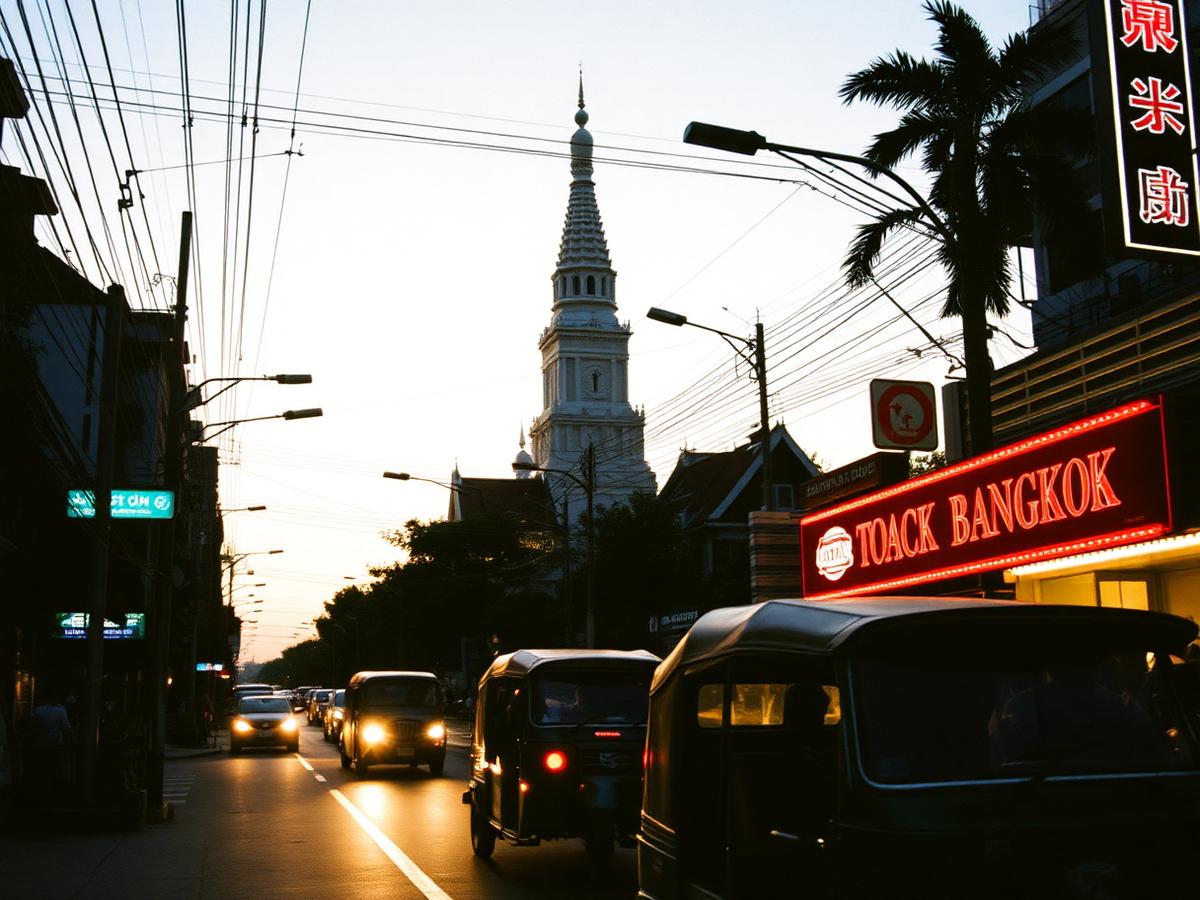
- Deira and Bur Dubai: This is the "Old Dubai." It is crowded, chaotic, smells of spices, and is significantly cheaper. This is where you go for 5 AED (about £1) shawarmas and the gold souks. It feels like a real city, not a curated experience.
- Al Barsha: A middle-ground option. It is close to Mall of the Emirates and has great metro links. It is not pretty, but it is functional and has some of the best budget-friendly food in the city.
- Downtown: If you want to be near the Burj Khalifa and the Dubai Mall. It is expensive, busy, and the traffic is a nightmare, but you are in the heart of the action.
How much does Dubai cost per day?
Dubai is as expensive as you want it to be. You can spend £500 on dinner, or you can spend £5. Because we were house sitting, we weren't paying for accommodation, which is the biggest expense by far.
Here is a breakdown of what things actually cost in United Arab Emirates Dirhams (AED):
- A decent coffee: 25 - 35 AED (£5.30 - £7.50).
- Mid-range dinner for two (no alcohol): 150 - 250 AED (£32 - £53).
- Street food (Shawarma or Cafeteria food): 7 - 15 AED (£1.50 - £3.20).
- Pint of beer at a bar: 45 - 60 AED (£9.50 - £12.70).
- Weekly groceries for two: 400 - 600 AED (£85 - £128) if you shop at Carrefour or Lulu instead of Waitrose.
- Metro fare (single zone): 4 - 6 AED (£0.85 - £1.30).
Our take: If you cook at home and use the metro, you can live here for a similar price to a mid-sized UK city. If you eat out in the Marina every night, you will be broke in a week.
How do you get around Dubai?
You have two real choices: the Metro or Taxis/Ubers.
The Dubai Metro is clean, efficient, and air-conditioned. It is a driverless system that runs along the main artery of the city. We used it constantly. You need to get a "Nol" card and top it up. Be aware that the metro is often packed during rush hour, and it doesn't go everywhere. The "Gold Class" carriage is double the price but usually has a seat, and there is a dedicated carriage for women and children which we used frequently to avoid the crush.
For everywhere the metro doesn't reach, use the Careem app (the local version of Uber). Taxis are everywhere and relatively cheap compared to London, but the distances are huge. Don't try to walk between neighbourhoods, even if they look close on a map. The heat and the lack of pavements make it impossible.
What are the alcohol rules in Dubai?
The rules have relaxed significantly in the last couple of years. You no longer need a personal liquor license to buy alcohol from a shop as a tourist or resident; you just need your passport or Emirates ID.
However, alcohol is only sold in specific shops (MMI or African + Eastern). You won't find wine in the supermarket next to the milk. Alcohol is also incredibly expensive due to high taxes. Most people do their drinking at "Brunches" or during Happy Hours at hotels. It is illegal to be drunk in public or to drink in any non-designated area. If you want a glass of wine with dinner, you have to eat at a restaurant attached to a hotel. "Standalone" restaurants in malls or on the street generally do not serve alcohol.
How do you survive the summer heat?
We were there as the temperatures started to climb, and it is no joke. From June to September, the heat is oppressive. It often hits 45°C (113°F) with high humidity.
During these months, life moves indoors. The malls become the city's parks. You move from an air-conditioned apartment to an air-conditioned car to an air-conditioned office. If you are visiting during this time, forget the beach or walking anywhere. Even the bus stops are air-conditioned, which tells you everything you need to know. If you hate being trapped in climate-controlled boxes, do not visit Dubai in the summer.
Common scams and what to avoid
Dubai is generally very honest, but there are a few things that annoyed us:
- The "Luxury" Taxi: At the airport or malls, men will try to usher you into black Lexus cars. These are VIP taxis and cost significantly more than the standard cream-coloured RTA taxis. Always look for the cream cars with the coloured roofs.
- The Spice Souk Hard Sell: In Deira, vendors can be very aggressive. They will put scarves on your shoulders or hand you things and then demand payment. A firm "No" and keep walking is necessary.
- Fake Goods: You will be approached in Karama or Deira by people offering "copy" watches and bags. Just don't bother. It is a waste of time and the quality is usually rubbish.
What are the best free things to do in Dubai?
You don't have to spend money to see the city. Here is what we did when we wanted a zero-dirham day:
- The Dubai Fountain: Yes, it is touristy, but the show outside the Dubai Mall is genuinely impressive and free.
- Kite Beach: While many beaches are private and attached to hotels, Kite Beach is public. It is a great place to walk and watch the sunset.
- Exploring the Al Fahidi Historical Neighbourhood: Walking through the old wind-tower houses costs nothing and gives you a glimpse of what the city looked like before the oil boom.
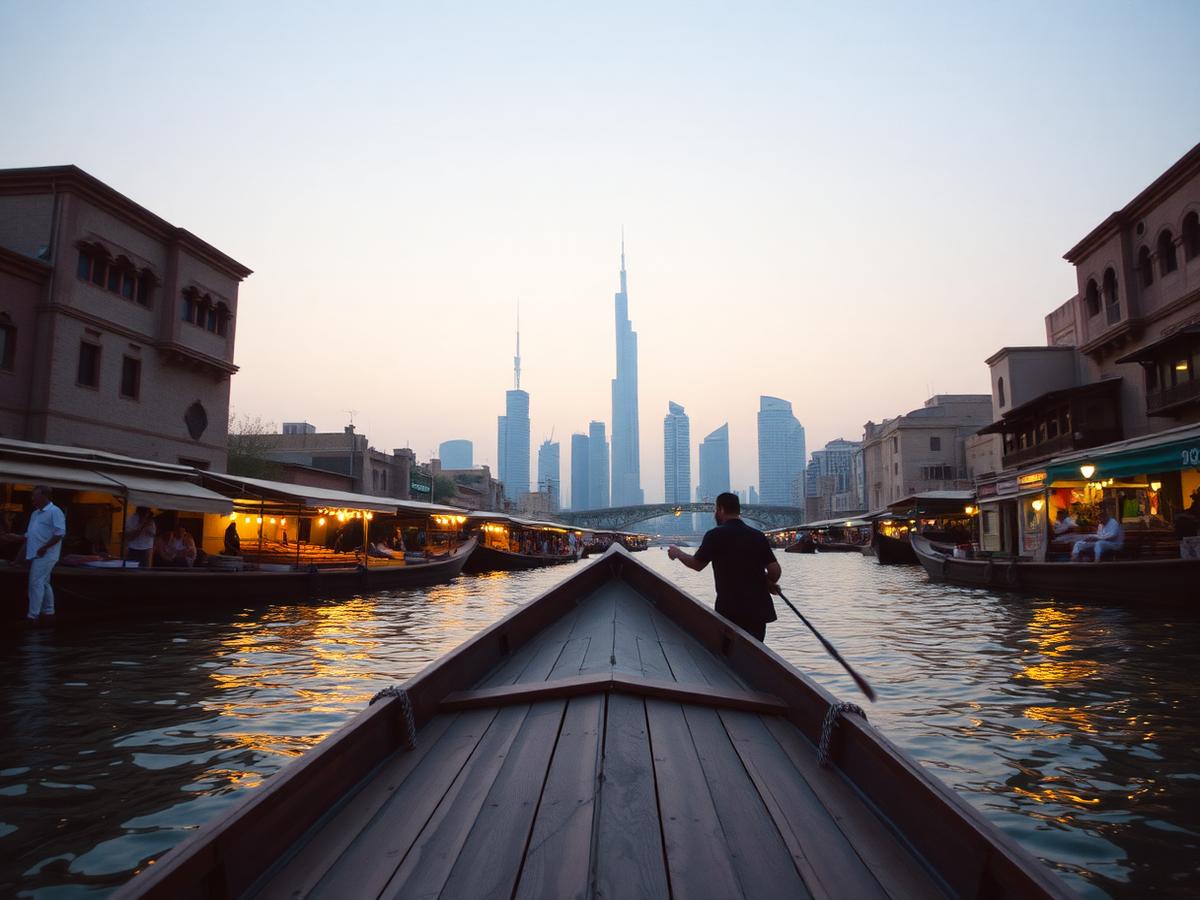
- Abra Ride across the Creek: Technically not free, but at 1 AED (£0.20), it is the cheapest and best value thing in the city. It is a traditional wooden boat that takes you from Bur Dubai to Deira.
What we would do again and what we would skip
Do again: The desert. But not a "safari" with thirty other Land Cruisers. We preferred renting a car and driving out to the Al Qudra lakes at sunrise. It is quiet, peaceful, and you might see an oryx. We would also spend more time eating in Karama; the Indian and Pakistani food there is world-class and costs next to nothing.
Skip: The Burj Khalifa at the top. It is expensive, the queues are long, and the view is actually better from a rooftop bar in the Marina where you can actually see the Burj Khalifa itself. We would also skip the "Global Village" unless you enjoy extremely loud music and crowds. It felt like a giant, neon-lit fever dream.
Living in Dubai taught us that the city is a tool. If you know how to use it, it provides an incredibly convenient, safe, and diverse lifestyle. If you just follow the tourist trail, you will leave with an empty bank account and a very shallow understanding of the place.
We manage to stay in cities like Dubai for months at a time without spending a fortune because we don't pay for hotels. We use our free house sitting guide to find long-term sits where we look after cats or dogs in exchange for a free place to stay. It is the only way we can afford to travel full-time and actually see how the world lives.
Where to go next
Guides we think pair well with this post.


Want to travel this way too?
Our free house and pet sitting guide shows exactly how we do it.