7 August 2026 · 8 min read
Five weeks in Hanoi: costs, where to stay and how to survive the traffic
A blunt guide to navigating Hanoi, from the chaos of the Old Quarter to the calm of Tay Ho, with practical costs and honest advice on house sitting.
Planning the trip? Read our full Hanoi destination guide.
We arrived in Hanoi with a bit of a cough and two heavy backpacks, immediately faced with the reality that northern Vietnam in winter is not the tropical heatwave people expect. It is grey, humid, and loud. We spent five weeks living in local apartments, mostly looking after cats and trying not to get hit by motorbikes every time we wanted a loaf of bread.
Hanoi is a city that requires patience. It is not "charming" in the way a postcard is; it is crumbling, soot-stained, and frantic. But it is also one of the few places we have stayed where the life on the pavement feels entirely authentic. People eat, wash, and conduct business on plastic stools, and if you are staying here for more than a few days, you eventually stop flinching at the sirens and start looking for the best bowl of Bun Cha in your immediate radius.
We stayed in two very different parts of the city: the claustrophobic Old Quarter and the more expansive, expat-heavy district of Tay Ho. Both have their merits, but they offer vastly different versions of Vietnamese life. Here is the reality of navigating Hanoi without the travel agency fluff.
Is Hanoi safe?
Hanoi is generally safe for women, though you will need a certain level of thick skin for the constant attention from street hawkers. Physical crime is rare, but petty theft exists. We never felt threatened walking home late at night, but we did keep a firm grip on our phones. Phone snatching by riders on motorbikes is the most common issue for tourists.
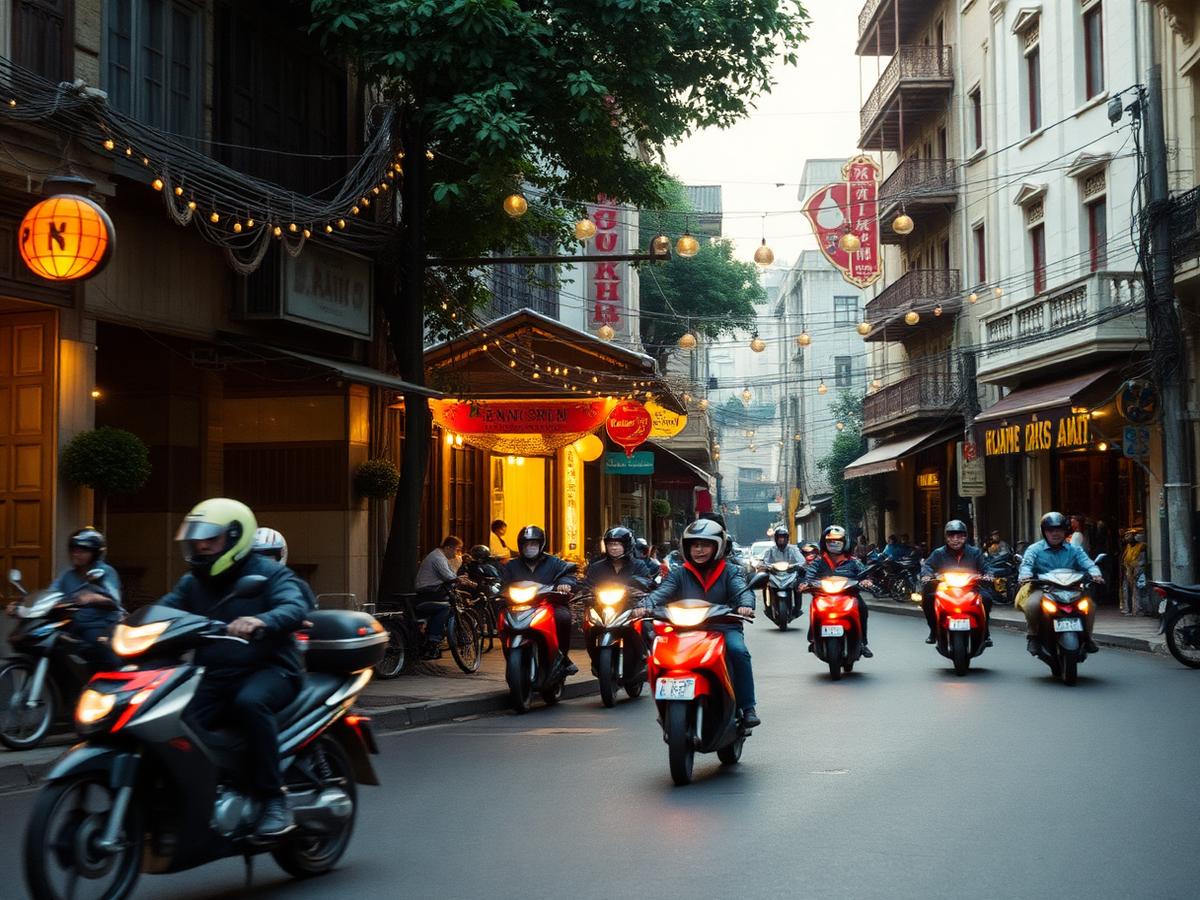
The real danger in Hanoi is the traffic. There is no such thing as right of way. Crossing the road is a lesson in predictable movement; you walk at a slow, steady pace and let the river of motorbikes flow around you. Do not run, do not stop suddenly, and do not expect a car to brake.
Our take: The pavements are used for motorbike parking and cooking, so you will be walking in the road most of the time. Wear sturdy shoes and keep your wits about you.
How many days do you need in Hanoi?
If you are just hitting the main sights, three days is plenty. You can see the Ho Chi Minh Mausoleum, the Temple of Literature, and the various museums in a weekend. However, if you are using Hanoi as a base for northern Vietnam, you will likely find yourself coming and going over the course of two weeks.
Many people use Hanoi as a launching pad for trips to Ha Long Bay or Ninh Binh. We found that the city is best experienced slowly. Giving yourself a week allows you to move past the tourist traps of the Old Quarter and find the quieter cafes down the narrow "hems" (alleys) where the coffee is better and the prices are half of what you see on the main roads.
Where should you stay in Hanoi?
Your choice of neighbourhood will dictate your entire experience. We split our time between the centre and the suburbs.
- Old Quarter (Hoan Kiem): This is the historic heart. It is noisy, crowded, and smells like exhaust fumes and street food. It is perfect if you want to be within walking distance of everything, but it is exhausting for long-term stays.
- Tay Ho (West Lake): This is where many expats live. It is quieter, the air is slightly clearer near the water, and there are actual pavements. We preferred this for a longer house sit as it felt more like a residential community.
- Truc Bach: A smaller, quieter island-like area between West Lake and the Old Quarter. It has a great food scene and a more relaxed pace without being as far out as northern Tay Ho.
- Ba Dinh: The political centre. It is more formal, with wide boulevards and lots of embassies. It is less "touristy" but very central.
How much does Hanoi cost per day?
Hanoi is remarkably affordable, even by Southeast Asian standards. If you are staying in local apartments and eating at markets, your biggest expense will likely be coffee and Grab rides.
- Street food meal (Pho or Bun Cha): 40,000 – 60,000 VND (£1.25 – £1.90)
- Coffee at a local shop: 25,000 – 40,000 VND (£0.80 – £1.25)
- Local beer (Bia Hoi): 10,000 – 15,000 VND (£0.30 – £0.45)
- Short Grab motorbike ride: 20,000 – 35,000 VND (£0.60 – £1.10)
- Mid-range dinner for two in a restaurant: 400,000 – 600,000 VND (£12.50 – £19.00)
- Grocery shop for a week (basic): 800,000 VND (£25.00)
We found we could live very comfortably on about £30 a day for both of us, excluding accommodation.
How do you get around Hanoi?
Do not bother with the local buses unless you have a lot of time and a death wish. The best way to get around is the Grab app.
- GrabCar: Essential if there are two of you and you have luggage. The air conditioning is a relief, but you will sit in traffic for a long time.
- GrabBike: This is how we got around 90% of the time. It is faster, cheaper, and you get a helmet. It is not for the faint-hearted, but it is the only way to cut through the gridlock.
- Walking: Fine for short distances in the Old Quarter, but the heat and the lack of pavements make it a chore.
- Cyclos: These are purely for tourists. They are slow and overpriced. We skipped them entirely.
Our take: Download Grab before you land. It prevents the inevitable haggling and "broken meter" scams with airport taxis.
What is the best time to visit Hanoi?
Most people think Vietnam is always hot. Northern Vietnam has four distinct seasons. We visited in January and it was damp, overcast, and around 15 degrees Celsius. We had to buy extra jumpers.
- October to November: The best time. It is dry, the sky is often blue, and the temperature is mild.
- March to April: Also good, though it starts to get humid.
- May to September: Extremely hot and very rainy. This is monsoon season. You will spend a lot of time hiding in cafes.
- December to February: Cold and drizzly. If you are heading further north to Sapa, it can even snow.
Common scams and what to avoid
Hanoi is not as "scammy" as some other major cities, but there are things to watch for.
- The Shoe Repair: Men will point at your shoes, claim they are broken, and start squirting glue on them before you can say no. They will then demand 500,000 VND for a "repair." Just keep walking.
- The Fruit Sellers: Women with carrying poles will offer you a photo or put the pole on your shoulder, then demand money or insist you buy overpriced fruit.
- Fake Tourist Offices: There are dozens of offices claiming to be the "official" Sinh Tourist. Most are not. Always book through your accommodation or directly online with reputable companies.
- The E-visa: Only use the official government website. There are many "agency" sites that look official but charge triple the price. The real e-visa costs 25 USD.
What we would do again and what we would skip
If we went back tomorrow, we would change a few things about how we spent our time.
- Do again: Drinking egg coffee at a hidden cafe. It sounds like a gimmick, but Cafe Giang is popular for a reason. It is basically liquid tiramisu and it is delicious.
- Do again: Taking the train to Ninh Binh. It is only two hours away and the scenery is spectacular. It is much better than a day trip to Ha Long Bay.
- Skip: The Water Puppet Theatre. It is a significant cultural tradition, but the performance is geared entirely towards tourists and we found it a bit repetitive.
- Skip: Eating in the "Beer Street" (Ta Hien) area. The beer is cheap, but the food is mediocre and the touts are aggressive. Move two streets over and you will find better quality for less money.
How we stayed long-term in Hanoi
Living in Hanoi for over a month wasn't just about sightseeing; it was about finding a routine. We managed to keep our costs down and see a more "real" side of the city by house sitting. We looked after two very pampered cats in a high-rise apartment in Tay Ho, which gave us a kitchen, a washing machine, and a break from the hotel circuit. If you want to travel like this, we have put together a free house sitting guide that explains how we find these opportunities and stay for free.
Hanoi is a polarizing city. It is dirty, loud, and can be frustrating. But once you get used to the pace and the perpetual smell of charcoal smoke, it is one of the most rewarding places to live for a while. Just remember to watch the motorbikes.
Where to go next
Guides we think pair well with this post.






Want to travel this way too?
Our free house and pet sitting guide shows exactly how we do it.