7 August 2026 · 9 min read
Koh Samui honestly: which beach to stay on, what it costs and when not to come
A blunt guide to Koh Samui by full-time house sitters. We cover scooter safety, the best areas to stay, real costs, and why you should avoid monsoon season.
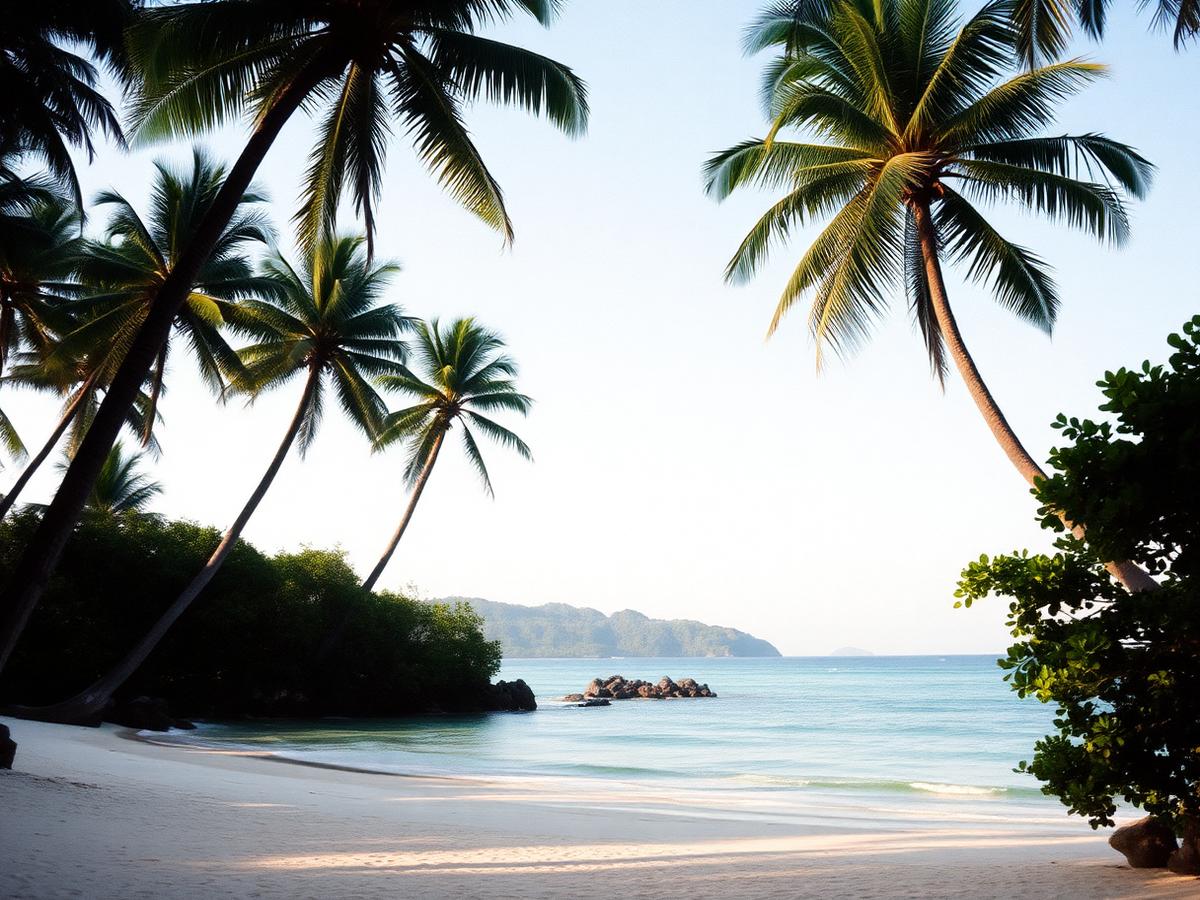
Planning the trip? Read our full Koh Samui destination guide.
We did not come to Koh Samui to find ourselves or sit in a resort drinking overpriced cocktails. We came because someone needed their two labradors looked after in a villa near Maenam. Most people see Samui as a honeymoon destination or a place to get hammered on Chaweng Beach. If you stay longer than a week, you realise it is just a big, humid rock with a lot of traffic and some very good food if you know where to look.
It is the second-largest island in Thailand, but it feels smaller because you are constantly looping the same ring road. It is more developed than Koh Phangan and less chaotic than Phuket. It is comfortable, which is why a lot of digital nomads and retirees end up here. It is not "untouched," and anyone telling you they found a secret, deserted beach is likely lying or trespassing.
We spent our time dodging potholes on a scooter and trying to find the best som tum that did not cost a fortune. Here is what we actually learned about living on the island without a holiday budget.
What is the best time to visit Koh Samui?
Timing is the one thing you cannot hack on this island. Unlike the Andaman side (Phuket/Krabi), Koh Samui has its own weather system. If you turn up in November because you found a cheap flight, you will spend your entire trip inside watching the garden turn into a swamp.
- January to March: The best weather. It is dry, the sky is blue, and the humidity is just about tolerable. This is also when prices for short-term rentals are at their highest.
- April to September: This is the hot season. It is oppressive. You will sweat through your clothes in three minutes. There are occasional afternoon thunderstorms, but the sea is calm.
- October to December: The monsoon. It does not just rain; it dumps water. Roads flood, ferries get cancelled, and the power goes out. Do not book a trip during these months unless you enjoy the sound of corrugated iron rattling in the wind.
Our take: Go in late February. The Christmas crowds have left, but the island is still green and the Gulf of Thailand is flat enough for swimming.
How many days do you need in Koh Samui?
If you are just here to see the "sights"—which are mostly big gold statues and a few viewpoints—three or four days is plenty. However, Samui is a place designed for slowing down.
We stayed for a month and felt we finally understood the rhythm of the island by week three. If you are on a wider Thailand trip, five days allows you to spend a day in the north, a day on the east coast, and a day taking a boat out to Ang Thong Marine Park. Anything less than three days is a waste of a ferry ticket.
Is Koh Samui safe?
Generally, yes. You are unlikely to be mugged or physically harassed. The biggest danger on Koh Samui is the tarmac. The island has one of the highest road fatality rates in Thailand.
The ring road is a mix of speeding lorries, tourists who have never ridden a scooter before, and dogs sleeping in the middle of the lane. If you have never ridden a bike, Koh Samui is not the place to learn. We saw "Samui Tattoos" (massive gravel rashes) on tourists every single day.
Aside from the roads, be mindful of the ocean currents during the shoulder seasons. Red flags on the beach are not suggestions; the undertow in places like Chaweng and Lamai can be lethal.
How do you get around Koh Samui?
Public transport is limited to Songthaews—converted pickup trucks with benches in the back. They run the main ring road. You flag them down, hop in, and ring a buzzer when you want to get off. During the day, a trip should cost 50 to 100 THB (£1.10 to £2.20). At night, the drivers will try to charge you 200 THB or more. Always agree on the price before you sit down.
- Scooter Rental: This is how we got around. It costs about 200 to 300 THB (£4.50 to £6.70) per day. If you rent by the month, you can get it down to about 4,000 THB (£90). You need an International Driving Permit. If the police stop you and you do not have one, you will be fined 500 THB on the spot.
- Navigo / Grab: These are the Uber equivalents. They are expensive on the island because the taxi mafia is strong. A 15-minute ride can easily cost 400 THB (£9).
- Car Rental: If you are not confident on two wheels, rent a small car. It is safer, and the air conditioning is worth every penny. Expect to pay 800 to 1,200 THB (£18 to £27) per day.
Where should you stay in Koh Samui?
The island is divided into distinct zones. Where you stay will dictate your entire experience.
- Bophut: This is where we spent most of our time. Fisherman's Village is the hub here. It is a bit "boutique" and touristy, but the restaurants are good and it feels more sophisticated than the party towns.
- Maenam: This is the quiet, budget-friendly north. The beach is excellent, the water is deep enough to actually swim in, and there is a distinct lack of loud beach clubs. This is where long-termers and house sitters usually end up.
- Chaweng: The centre of everything. It has the best sand and the loudest music. If you want malls, gyms, and nightlife, stay here. If you want peace, avoid it like the plague.
- Lamai: Chaweng's slightly older, rougher brother. It is a bit cheaper and has a decent Sunday night market, but parts of it feel a bit dated and seedy.
- Choeng Mon: A series of small bays in the northeast. It is very quiet and mostly upscale villas. Good for families or if you really want to be left alone.
How much does Koh Samui cost per day?
Samui is more expensive than the mainland (Chiang Mai or Bangkok) because everything has to be shipped in. However, it is still cheap by British standards.
- Budget (Backpacker): 1,200 - 1,500 THB (£27 - £34) per day. This gets you a hostel bed, street food, and a few beers from 7-Eleven.
- Mid-range (Our bracket): 2,500 - 4,000 THB (£55 - £90) per day. This covers a nice apartment or small house, scooter rental, eating at decent local restaurants, and the occasional massage.
- Luxury: The sky is the limit. There are villas here that cost £2,000 a night.
Our take: Eating at the night markets is the only way to keep your budget under control. A plate of Pad Thai or Pad Krapow at a market is 60-80 THB (£1.35 - £1.80), while the same dish in a Bophut restaurant will be 250 THB (£5.60).
Common scams and what to avoid
Koh Samui is not as "scammy" as Bangkok, but there are things to watch out for.
- Jet Ski Scams: Mostly in Chaweng. You return the jet ski, and they claim you scratched it, demanding thousands of Baht. Honestly, just do not rent jet skis.
- The "Meter" in Taxis: Taxi drivers on Samui hate the meter. They will flat out refuse to use it. You have to haggle. It is exhausting. Use the Grab app to see what a fair price is, then negotiate with the driver.
- Scooter Damage: When you rent a bike, take a video of every single scratch in front of the owner. They will try to keep your passport as collateral. We never give our passports; we offer a 2,000 THB cash deposit and a photo of our passport instead. Most reputable places will accept this.
- Animal Tourism: Avoid the "zoos" or places offering elephant rides. They are grim. If you want to see elephants, go to a reputable sanctuary that does not allow riding or bathing.
What we would do again and what we would skip
What we would do again:
- The Friday Night Market in Bophut: Yes, it is crowded, but the street food is excellent and the atmosphere is actually fun.
- Drive to the South Coast: The south of the island (around Pang Ka) feels like Samui did twenty years ago. It is quiet, green, and the roads are empty.
- Tanote Bay: Taking a longtail boat to Koh Tan for snorkelling. It is a ten-minute boat ride and feels worlds away from the main island.
What we would skip:
- Hin Ta and Hin Yai (Grandfather and Grandmother Rocks): They are just rocks that look vaguely like genitals. The car park is a nightmare and it is surrounded by tourist tat shops.
- Chaweng Beach at night: Unless you are twenty-one and want to drink buckets of cheap vodka, it is loud, messy, and overpriced.
- The Big Buddha at midday: It is a giant gold statue. It is impressive, but the heat radiating off the concrete will melt your shoes. Go at sunrise or skip it.
How to get to Koh Samui
You have two real choices: the easy way or the cheap way.
The easy way is flying directly into Koh Samui (USM). The airport is owned by Bangkok Airways, which means they have a monopoly and the tickets are expensive. Expect to pay £100+ for a one-way flight from Bangkok.
The cheap way involves flying into Surat Thani on the mainland with a budget airline like AirAsia, then taking a bus to the pier, and then a ferry to the island. This takes about five or six hours but costs a fraction of the price (about £25 total). We usually take the Raja Ferry or Seatran. They are slow, rusty, and smell like diesel, but they get you there.
Long stays and house sitting
We stayed on the island for a month, which would have cost us a fortune in hotels. Instead, we lived in a three-bedroom villa with a pool for the cost of our food and scooter fuel. We did this by pet sitting. The island has a massive expat community, and when they go back to Europe or Australia for the summer, they need someone to keep their dogs company and make sure the pool doesn't turn green.
Living in a proper neighbourhood gave us a completely different perspective on Samui. We had a "local" coffee shop, we knew which 7-Eleven had the best toasted sandwiches, and we learned which roads flooded after ten minutes of rain. If you want to travel long-term without draining your bank account, you can check out our free house sitting guide which explains how we find these stays.
Koh Samui is not perfect. It is busy, it is expensive compared to the rest of Thailand, and the traffic is a headache. But if you get off the main road and find a quiet spot in Maenam or the south, there is still a bit of island magic left. Just stay off the scooters if you value your skin.
Where to go next
Guides we think pair well with this post.


Want to travel this way too?
Our free house and pet sitting guide shows exactly how we do it.