7 August 2026 · 8 min read
London on a real budget: transport, where to stay and what tourists overpay for
A blunt guide to London from two former locals, covering real costs, transport hacks, and which tourist traps to skip while house sitting in the capital.
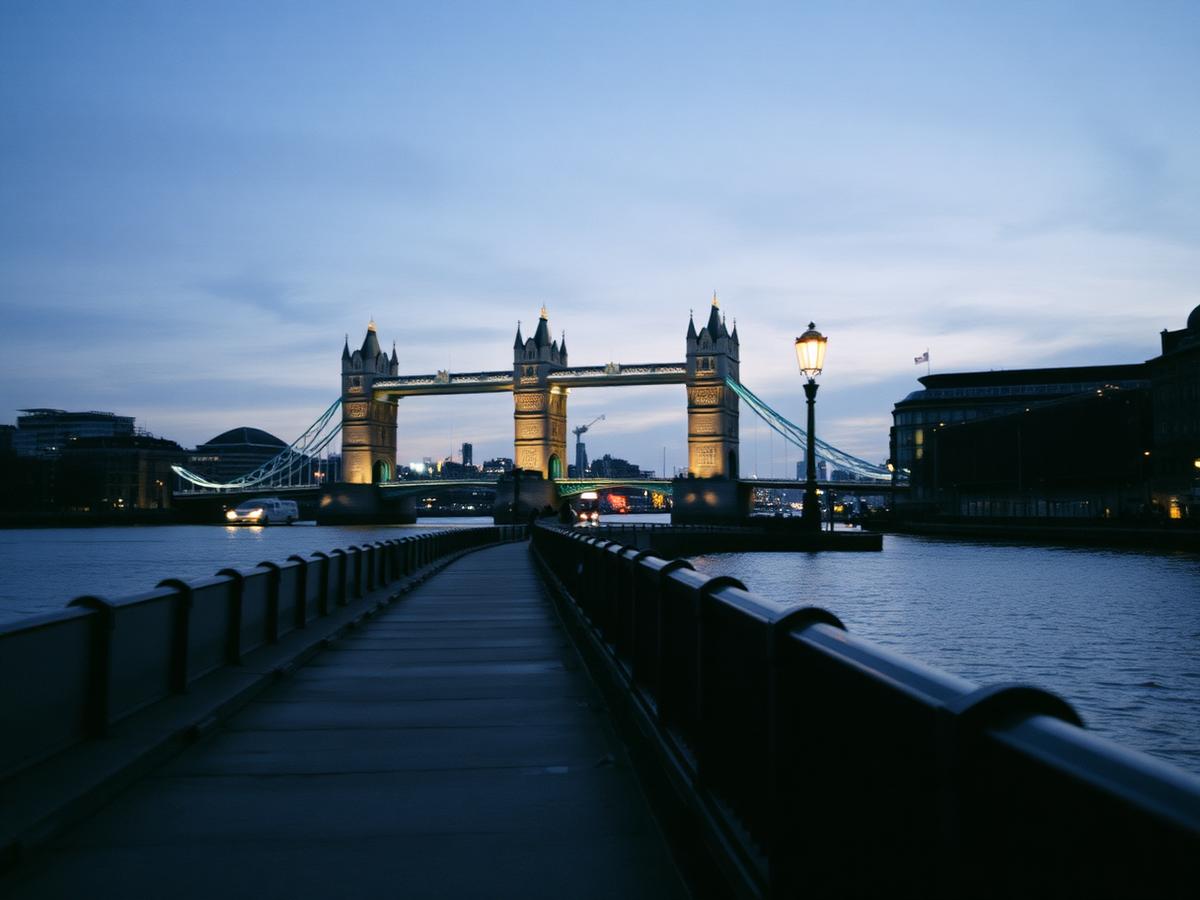
Planning the trip? Read our full London destination guide.
We lived in London for years before we started travelling full-time. It is a city that demands a lot from you—your patience, your personal space, and a significant portion of your bank balance. But it is also a place where you can find a quiet garden square or a world-class museum without spending a penny, provided you know how to navigate the noise.
Since we began house sitting, we have returned to London several times to look after cats in Victorian terraces and dogs in modern apartments. It is a different experience when you are not commuting to an office. You see the city for what it is: a collection of distinct villages stitched together by the Underground.
This guide is not about five-star hotels or the London Eye. It is about how the city actually functions, how much things cost in 2026, and how to avoid being the person standing on the wrong side of the escalator at Waterloo.
Is London expensive?
Yes. There is no way to sugarcoat it. London is one of the most expensive cities in the world, particularly for housing and transport. If you are staying in a hotel, you will likely pay upwards of £150 per night for something basic. If you are house sitting like we do, your biggest outlays will be food and getting around.
To give you an idea of daily costs:
- A pint of beer: £6.50 - £8.50 (more in Central London).
- A flat white: £3.50 - £4.20.
- A casual dinner for two (no booze): £40 - £60.
- Daily transport cap (Zones 1-2): £8.10.
- Supermarket meal deal: £3.50 - £5.00.
Our take: If you want to save money, eat your main meal at lunch when many restaurants offer set menus, and never buy water. The tap water is perfectly safe, even if it is hard enough to scale a kettle in a week.
Best time to visit London
Most people will tell you to come in summer. Most people are wrong. London in July and August is humid, the Tube is a furnace with no ventilation, and the pavements are blocked by tour groups. It is miserable.
- Spring (Late March to May): The parks are beautiful, the daffodils are out, and it is usually dry enough to walk between sights.
- Autumn (September to October): The light is better for photos, the crowds have thinned, and the crisp air makes the long walks more bearable.
- Winter (November to February): It is grey, damp, and gets dark by 4:00 PM. Unless you are here for the Christmas lights or the January sales, it can be a bit grim.
How many days do you need in London?
You could live here for a decade and not see everything. However, for a first visit, five days is the minimum. This gives you two days for the heavy hitters (Westminster, the Tower, Southbank), a day for museums, and two days to explore different neighbourhoods like Hampstead or Greenwich.
If you have a week, you can afford to slow down. One of the biggest mistakes tourists make is trying to do too much in one day. London is geographically huge. Moving from East to West takes time, and you will spend half your trip underground if you do not plan your route geographically.
Where should you stay in London?
Avoid staying in Leicester Square or Piccadilly Circus. It is loud, overpriced, and devoid of any real character. If you want a proper London experience, look slightly further out but stay near a Tube station or a major bus route.
- Bloomsbury: Central but quieter. It is full of bookshops and near the British Museum.
- Bermondsey: Great for foodies. You are near Borough Market and the river, but it feels like a real neighbourhood.
- Islington/Angel: Plenty of independent pubs and theatres. Great transport links to the City and West End.
- Hampstead: If you want greenery and old-world charm. It is expensive, but the heath is one of the best spots in the city.
- Brixton: Vibrant, loud, and has some of the best cheap eats in London.
How do you get around London?
Do not buy a paper ticket and do not buy a physical Oyster card unless you want a souvenir. The simplest way to pay is "Contactless." Just tap your debit card, credit card, or phone (Apple/Google Pay) on the yellow readers.
- The Tube: Fast, but often crowded and deep underground. Avoid the Central Line in summer if you value your oxygen levels.
- Buses: A flat fare of £1.75 regardless of distance. If you tap onto another bus within an hour, the second trip is free. It is the best way to see the city for cheap.
- The Elizabeth Line: The newest addition. It is clean, air-conditioned, and cuts travel times across the city significantly.
- Walking: Many Tube stops are closer together than they look on the map. For example, do not take the Tube from Leicester Square to Covent Garden; it takes longer to go down the lifts than it does to walk the five minutes between them.
Common scams and what to avoid
London is generally safe, but it has its fair share of annoyances.
- The "Three Card Monte": You will see people playing a shell game on Westminster Bridge. It is a scam. The crowd watching are often "shills" working with the dealer. Walk past.
- Pedicabs: Those neon-lit tricycles in the West End. They are unregulated and frequently charge tourists £50 or more for a ten-minute ride. Never get in one.
- Phone snatching: This is a genuine problem. Do not stand near the road with your phone out. E-bike riders can zip onto the pavement and grab it before you know what has happened.
- The London Eye: It is expensive (£30+) and the queues are massive. For a better view, book a free ticket to the Sky Garden or the Lookout at 8 Bishopsgate. You get the same height for £0.
What tourists overpay for
People think they need to pay for culture in London. You do not. All the major national museums—the British Museum, the V&A, the Natural History Museum, the National Gallery, and Tate Modern—are free. You only pay for special exhibitions.
You also do not need to pay for a "Hop-on Hop-off" bus. The number 11 bus or the number 15 (which uses some heritage Routemasters) will take you past the major landmarks for the price of a standard bus fare (£1.75).
Our take: Do not pay for a "Traditional Afternoon Tea" at a big hotel unless you really want the theatre of it. It is often £70 per person for some sandwiches and a scone. Find a local bakery or a smaller cafe in a residential area for a fraction of the cost.
What we would do again and what we would skip
What we would do again:
- Walking the Southbank at night. The view of the city lights across the Thames never gets old.
- Hampstead Heath. Walking up to Parliament Hill for the view, followed by a pint at The Spaniards Inn.
- The Ceremony of the Keys at the Tower of London. It is ancient, atmospheric, and very cheap if you book well in advance.
- Eating in Chinatown. Look for where the queues are; the food is usually authentic and relatively affordable.
What we would skip:
- Oxford Street. It is a congested mess of the same shops you find in every other city, plus an inexplicable number of American candy stores.
- Madame Tussauds. We have never understood the appeal of standing next to a waxwork of a celebrity.
- Changing of the Guard. You stand behind a fence, six rows deep, to see the top of a fuzzy hat for thirty seconds. It is a waste of a morning.
Is London safe?
For a city of its size, London is safe, but you need to be street-smart. Violent crime involving tourists is rare, but petty theft is common. Keep your bag zipped and in front of you on the Tube. If you are out late, stick to well-lit main roads or use an Uber or the Night Tube.
The biggest "danger" is often just the traffic. Remember that we drive on the left. Look both ways, then look again. The "Look Left" and "Look Right" signs painted on the road at pedestrian crossings are there for a reason—tourists get stepped on more often than they get mugged.
We managed to spend months here without paying for a single night of accommodation. By staying in people's homes and looking after their pets, we could afford to eat at better restaurants and take our time exploring the bits of London that tourists usually miss. If you want to know how we do it, check out our free house sitting guide.
London is a city of layers. If you stay on the surface, you will find it expensive and exhausting. If you slow down, use the buses, and head into the residential zones, you will find the version of the city that we actually enjoy living in.
Where to go next
Guides we think pair well with this post.




Want to travel this way too?
Our free house and pet sitting guide shows exactly how we do it.